
Understanding the consequences of gambling addiction on mental health
The Nature of Gambling Addiction
Gambling addiction, also known as compulsive gambling or pathological gambling, is a behavioral addiction that leads individuals to engage in persistent gambling behaviors despite harmful consequences. This addiction can manifest in various forms, including both online and land-based gambling activities. For an exciting online experience, many players turn to Le Fisherman from Hacksaw Gaming, hoping to escape or seek thrills, but this often spirals into a compulsive cycle that wreaks havoc on their mental health.

The psychological aspects of gambling addiction are complex. Many individuals may initially perceive gambling as a form of entertainment, but as their behavior escalates, they may find themselves unable to control their impulses. The allure of winning can overshadow the reality of financial loss, leading to anxiety, depression, and other mental health issues as the addiction deepens.
The Impact on Mental Health
The consequences of gambling addiction extend far beyond financial strain. Individuals often experience heightened levels of anxiety and depression as the weight of their gambling habits weighs heavily on them. The chronic stress of hiding debts and losses can lead to feelings of shame and isolation, further exacerbating mental health problems.
Additionally, gambling addiction can result in emotional dysregulation, where individuals find it challenging to manage their feelings or cope with everyday life stresses. The inability to experience joy outside of gambling can create a void that intensifies feelings of hopelessness and despair.
Co-occurring Disorders
Many individuals with gambling addiction also face co-occurring disorders, such as substance abuse or other behavioral addictions. This dual diagnosis can complicate treatment approaches, making recovery more challenging. The interaction between gambling addiction and other mental health disorders creates a vicious cycle that can hinder an individual’s ability to seek help.
Furthermore, the presence of co-occurring disorders can lead to greater psychological distress. Individuals may use gambling as a coping mechanism to deal with underlying issues, perpetuating a cycle of addiction that is difficult to break. Recognizing and treating these co-occurring disorders is essential for effective recovery.
The Role of Support Systems
A robust support system is crucial for individuals battling gambling addiction. Friends, family, and support groups can provide the encouragement and accountability needed to navigate the challenges of recovery. Open conversations about gambling behaviors can help to destigmatize the issue and encourage individuals to seek professional help.
Moreover, support groups, such as Gamblers Anonymous, can offer a community of understanding and shared experiences, making individuals feel less isolated in their struggles. These networks can play a vital role in rebuilding one’s life and mental health after the turmoil of gambling addiction.
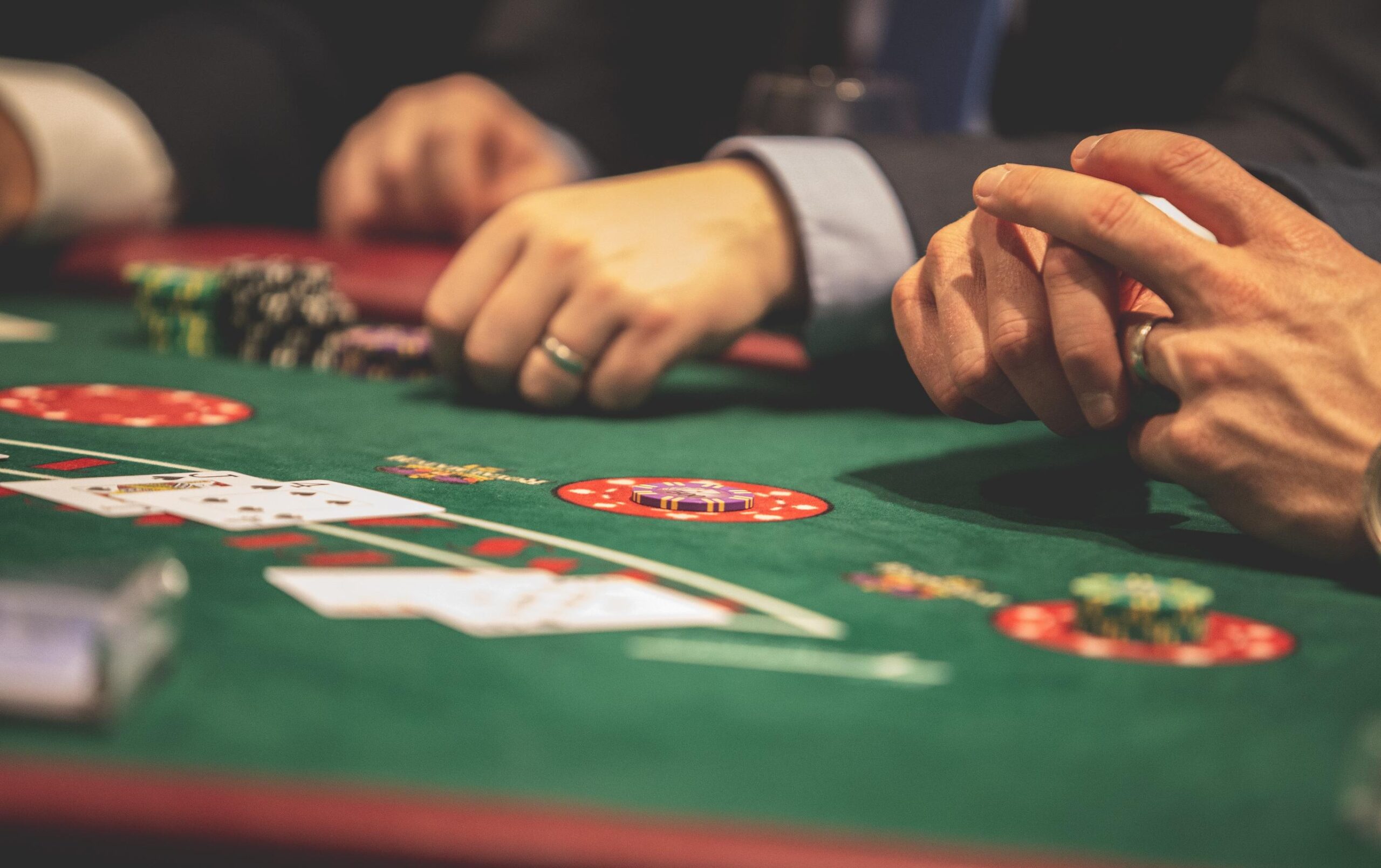
Discover a Safe Gaming Environment
For those who enjoy gaming and want to explore it responsibly, choosing a safe online environment can make a significant difference. Engaging with platforms that prioritize player well-being can offer a balanced experience, allowing for entertainment without the risks of addiction. Many reputable websites provide resources and tools to help players maintain control over their gambling habits.
In summary, understanding the consequences of gambling addiction on mental health is vital for fostering awareness and encouraging individuals to seek help. Safe gaming practices and support systems can significantly enhance one’s quality of life, transforming potential pitfalls into enjoyable experiences while safeguarding mental health.
